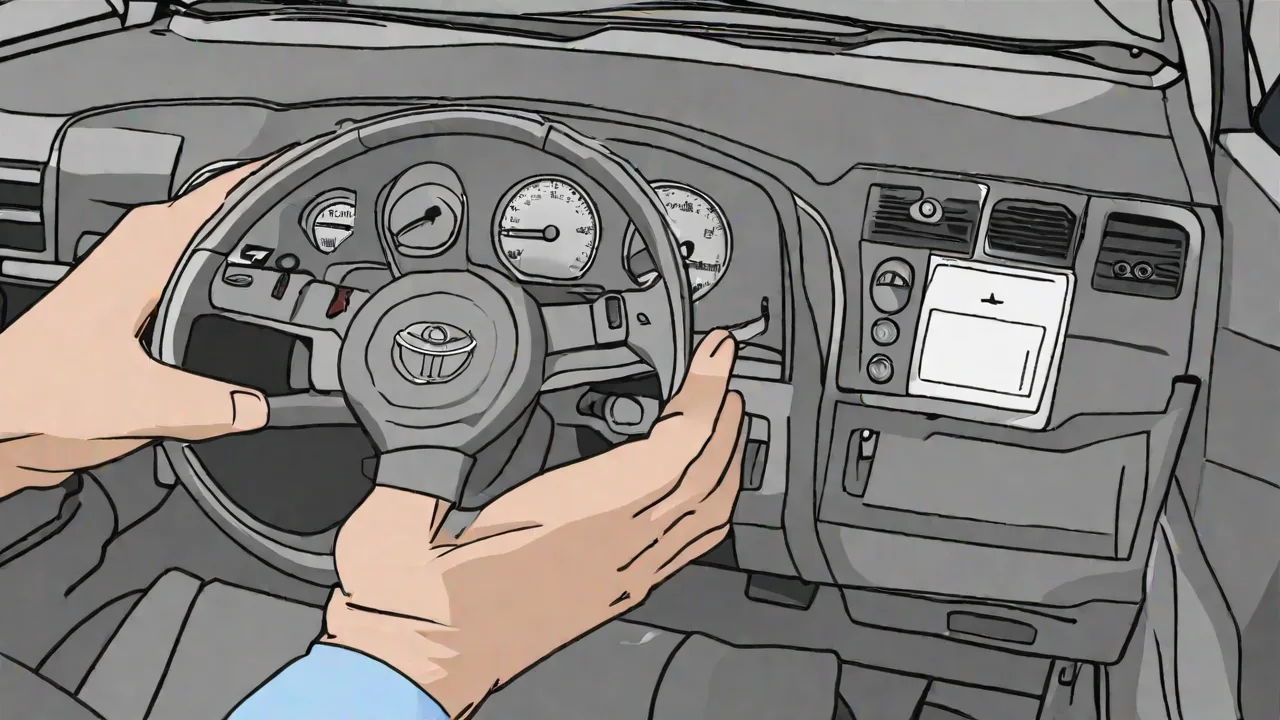
How to Diagnose and Fix Low Brake Fluid in Your Toyota
How to Diagnose and Fix Low Brake Fluid in Your Toyota
Maintaining proper brake fluid levels is essential for your Toyota's safety and performance. Low brake fluid can lead to decreased braking efficiency and potential safety hazards. This guide will help you diagnose the issue and show you how to fix it safely.
Signs of Low Brake Fluid
- Soft or spongy brake pedal
- Warning light on the dashboard
- Reduced braking response
- Visible fluid leak under the vehicle
How to Check Brake Fluid Level
First, locate the brake fluid reservoir under the hood. It is usually a translucent container with markings indicating 'Full' and 'Low.' Ensure the vehicle is on a level surface and the engine is cool before checking.
Remove the cap carefully and observe the fluid level. If it is below the minimum mark, you need to add brake fluid.
How to Add Brake Fluid
Use the type of brake fluid specified in your Toyota's owner manual. Typically, DOT 3 or DOT 4 brake fluid is used. Clean the cap and the area around the reservoir opening to prevent contamination.
Pour the brake fluid slowly into the reservoir until it reaches the 'Full' mark. Do not overfill. Replace the cap securely.
When to Seek Professional Help
If the brake fluid level drops frequently or if you notice a leak, it is crucial to have your Toyota inspected by a professional mechanic. Persistent low levels may indicate a brake system issue that requires repair.
Regular maintenance and checks can prevent brake problems and ensure your safety on the road. Always follow the manufacturer’s recommendations for brake fluid replacement intervals.