How to Properly Bleed and Refill Your Toyota Brake System
Maintaining your Toyota's brake system is essential for safe driving. Properly bleeding and refilling the brake fluid ensures optimal brake performance and prevents costly repairs. This guide walks you through the steps to do it correctly.
Tools and Materials Needed
- New brake fluid (check your Toyota manual for the correct type)
- Wrench set
- Clear tubing
- Brake bleeding kit (optional)
- Jack and jack stands
- Wheel chocks
- Safety gloves and goggles
Preparing Your Vehicle
Park your Toyota on a level surface. Engage the parking brake and place wheel chocks behind the wheels that will stay on the ground. Loosen the lug nuts on the wheels, then lift the vehicle using a jack and secure it with jack stands.
Checking and Refilling Brake Fluid
Locate the brake fluid reservoir under the hood. Clean the area around the cap to prevent debris from entering. Remove the cap and check the fluid level. If it's low, add the recommended brake fluid to the MAX line. Do not overfill.
Bleeding the Brake System
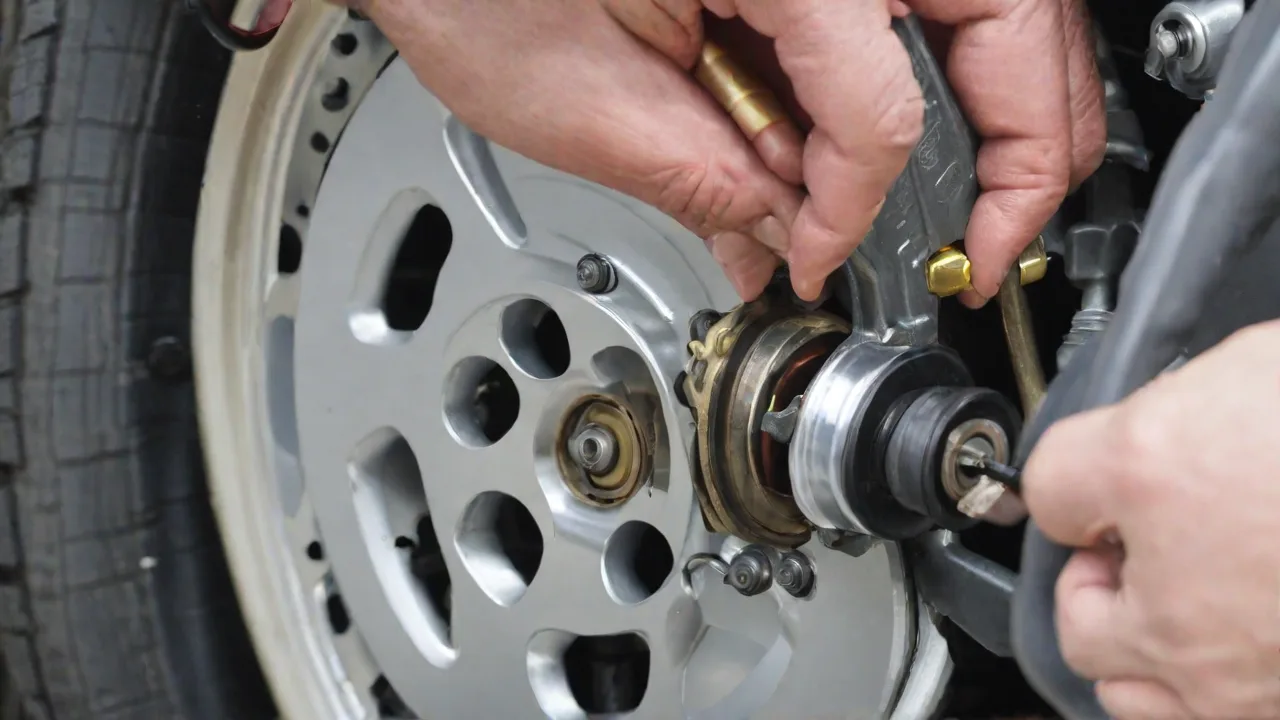
Start with the wheel farthest from the master cylinder, typically the passenger side rear. Attach clear tubing to the bleeder screw and place the other end in a container. Have an assistant press the brake pedal slowly and hold it down.
While the pedal is held, loosen the bleeder screw to release air and old fluid. Tighten the screw before the pedal is released. Repeat this process until clean, bubble-free fluid flows through the tubing.
Repeat the bleeding process for each wheel in the following order: rear passenger side, rear driver side, front passenger side, and front driver side.
Refilling and Final Checks
After bleeding all wheels, check the brake fluid level again and top it off if necessary. Replace the reservoir cap securely. Lower the vehicle from the jack stands and tighten the lug nuts to the manufacturer’s specifications.
Test Drive and Safety Check
Before driving normally, pump the brake pedal several times to ensure the pedal feels firm. Test the brakes at low speed in a safe area to confirm proper function. If you notice softness or sponginess, repeat the bleeding process.
Regular brake maintenance is vital for safety. If you're unsure about any step, consult a professional mechanic or your Toyota service manual.