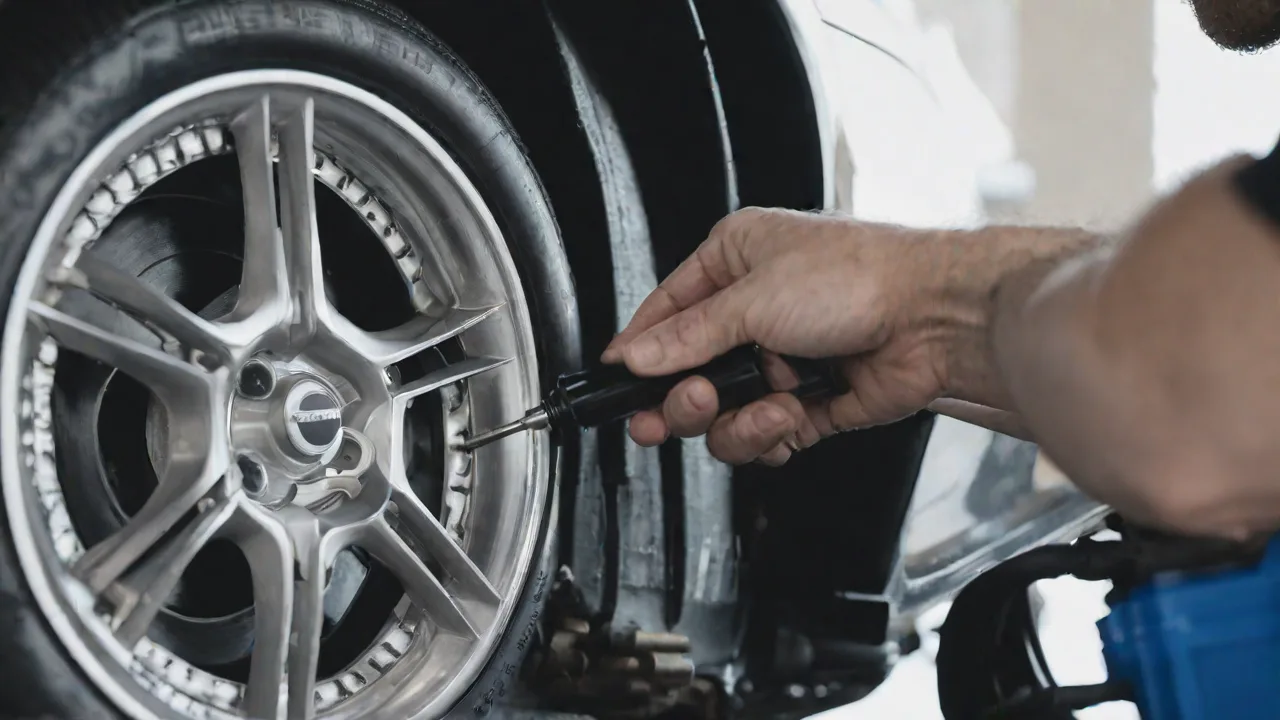
Understanding the Importance of Regular Power Steering Fluid Checks
Maintaining your vehicle's health involves regular checks of various fluid levels, and one of the most crucial fluids is the power steering fluid. This fluid plays a vital role in ensuring smooth and responsive steering, which is essential for safe driving.
What is Power Steering Fluid?
Power steering fluid is a hydraulic fluid that transmits power within the steering system. It helps reduce the effort needed to turn the steering wheel, especially in larger vehicles or when parking. Without adequate fluid, steering can become stiff and difficult.
Why Regular Checks Are Important
Regularly checking the power steering fluid ensures your vehicle operates smoothly and prevents potential damage. Low fluid levels can lead to increased wear on the steering components, leaks, or even complete steering failure in worst-case scenarios.
Signs You Need to Check Your Power Steering Fluid
- Difficulty turning the steering wheel
- Unusual noises such as whining or squealing when steering
- Fluid leaks under the vehicle
- Stiff steering, especially at low speeds
How to Check Power Steering Fluid
Checking the power steering fluid is a simple process:
- Locate the power steering fluid reservoir under the hood.
- Ensure the engine is off and cool.
- Remove the cap and inspect the fluid level against the marked indicators.
- If the fluid is low, add the recommended type of power steering fluid.
Maintaining Your Power Steering System
Besides regular checks, consider flushing and replacing the power steering fluid according to your vehicle's maintenance schedule. Using the correct type of fluid and inspecting for leaks can extend the life of your steering system.
Conclusion
Regular power steering fluid checks are a simple yet effective way to ensure your vehicle remains safe and responsive. Don't overlook this crucial maintenance task—it can save you money and prevent accidents caused by steering failure.