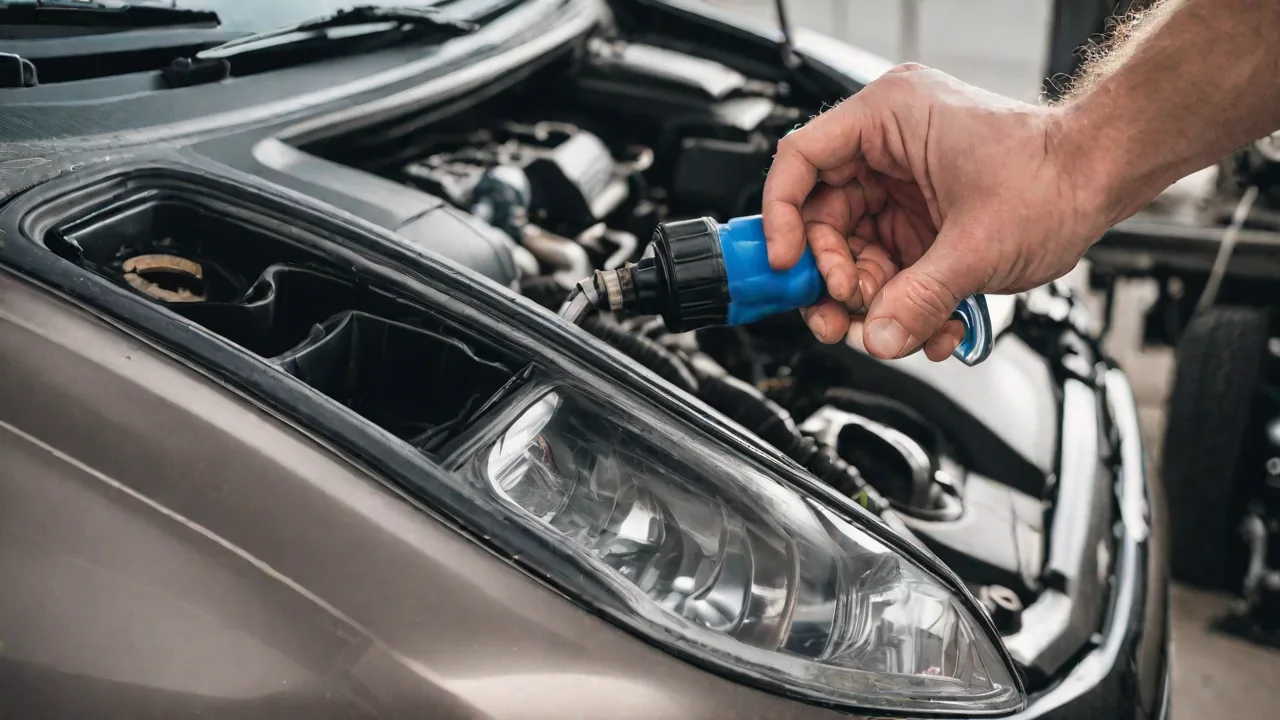
When and How to Perform a Complete Fluid Flush on Your Toyota
Regular maintenance of your Toyota is essential to ensure its longevity and optimal performance. One important maintenance task is performing a complete fluid flush. This process helps remove old, contaminated fluids and replaces them with fresh fluids, ensuring that your vehicle's components operate smoothly.
When to Perform a Complete Fluid Flush
Knowing the right time to flush your Toyota's fluids can prevent costly repairs and improve vehicle efficiency. Typically, you should consider a complete fluid flush under the following circumstances:
- Every 30,000 to 50,000 miles, depending on your Toyota model and driving conditions.
- After driving in harsh conditions such as extreme heat, cold, or dusty environments.
- If you notice symptoms like sluggish shifting, unusual noises, or warning lights related to transmission or brake systems.
- When performing a major service or brake repair.
How to Perform a Complete Fluid Flush
Performing a complete fluid flush involves several steps and requires basic mechanical knowledge. If you're unsure, it's best to consult a professional mechanic. Here’s a general overview of the process:
Gather Necessary Tools and Materials
- Replacement fluids (transmission fluid, brake fluid, coolant, power steering fluid, etc.)
- Wrenches and screwdrivers
- Drain pans
- Funnel
- Clean rags
- Safety gloves and goggles
Drain and Replace Old Fluids
Start by safely raising your vehicle if needed. Drain the old fluids from each system following the manufacturer's specifications. Be sure to dispose of used fluids properly at a recycling center. Refill each system with the correct type and amount of new fluid.
Flush the Systems
Some systems, like the transmission, may require special flushing machines to thoroughly clean out old fluid and debris. For brake and coolant systems, a flush involves draining, cleaning, and refilling to ensure all contaminants are removed.
Final Tips and Precautions
Always consult your Toyota owner's manual for specific fluid types and service intervals. If you’re unfamiliar with vehicle maintenance, consider hiring a professional mechanic to perform the flush. Regularly checking fluid levels and condition can help you determine when future flushes are needed, keeping your Toyota running smoothly for miles to come.